Acne is a common skin condition that affects people of all ages. However, it is most common during adolescence and early adulthood. It can lower confidence and affect daily life. Therefore, finding the right acne treatment is essential for healthy skin. Moreover, effective care requires consistency and the right skincare approach.
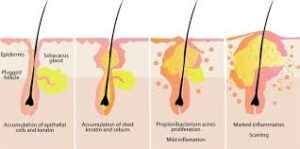
In addition, acne develops due to multiple factors. These include excess oil production, clogged pores, bacteria, and inflammation. Fortunately, modern acne treatment options can significantly improve skin condition. As a result, clear skin is achievable with the right routine.
Understanding the Causes of Acne
Acne often starts when pores become blocked. Oil, dirt, and dead skin cells build up over time. Consequently, bacteria grow inside the pores and cause inflammation. Hormonal changes also play a major role. For example, puberty, menstruation, and stress can trigger breakouts.
Moreover, unhealthy diet and poor skincare habits may worsen the condition. On the other hand, genetics can also influence acne severity. Therefore, understanding the root cause helps in choosing the best acne treatment.
Best Acne Treatment Options for Clear Skin
There are several effective acne treatment methods available today. These include topical solutions, oral medications, and natural remedies. However, the right choice depends on skin type and acne severity.
Topical Acne Treatments
Topical treatments are applied directly to the skin. They help reduce oil, kill bacteria, and unclog pores. Common ingredients include benzoyl peroxide, salicylic acid, and retinoids.
For instance, salicylic acid helps remove dead skin cells. Meanwhile, benzoyl peroxide targets acne-causing bacteria. Additionally, retinoids promote skin renewal. Therefore, regular use can significantly improve skin texture.
However, it is important to start slowly. Overuse may cause dryness or irritation. As a result, gradual application is recommended for better results.
Oral Medications for Severe Acne
In moderate to severe cases, oral medications may be necessary. These include antibiotics, hormonal treatments, and isotretinoin. Antibiotics reduce bacteria and inflammation.
Moreover, hormonal therapy helps balance hormone levels in women. Consequently, breakouts caused by hormonal changes can improve. Isotretinoin is used for severe acne cases. However, it requires strict medical supervision.
Therefore, consulting a dermatologist is essential before starting any oral acne treatment.
Natural Remedies for Acne Relief
Natural remedies can support skin healing. For example, tea tree oil has antibacterial properties. Similarly, aloe vera soothes inflammation and redness.
In addition, green tea extracts help reduce oil production. However, results may take longer compared to medical treatments. Therefore, natural remedies work best as supportive care.
Daily Skincare Routine for Acne-Prone Skin
A proper skincare routine plays a key role in acne treatment. First, cleanse your face twice daily with a gentle cleanser. This removes excess oil and dirt.
Next, use a lightweight moisturizer to keep skin hydrated. Moreover, sunscreen is essential to protect skin from UV damage. As a result, scars and dark spots can be prevented.
Additionally, avoid harsh scrubbing. This can irritate the skin and worsen acne. Instead, use gentle circular motions while cleansing.
Consistency is important. Therefore, follow the routine daily for best results.
Lifestyle Changes to Support Acne Treatment
Healthy lifestyle habits improve skin condition significantly. For instance, drinking enough water keeps skin hydrated. Moreover, a balanced diet rich in fruits and vegetables supports skin health.
On the other hand, oily and processed foods may trigger breakouts. Therefore, reducing junk food intake is beneficial.
In addition, stress management is important. Stress can increase hormone levels and worsen acne. Consequently, activities like exercise and meditation help maintain balance.
Sleep also plays a key role. A proper sleep schedule allows skin to repair itself naturally.
When to See a Dermatologist
Sometimes, acne does not improve with home care. In such cases, professional help is necessary. A dermatologist can provide customized acne treatment plans.
Moreover, severe acne may lead to scarring if untreated. Therefore, early medical consultation is important. In addition, prescription treatments are often more effective.
As a result, professional guidance ensures safer and faster recovery.
Conclusion
Acne treatment requires patience, consistency, and the right approach. However, combining skincare, medication, and lifestyle changes can deliver excellent results. Moreover, understanding your skin helps in choosing the best solutions.
Therefore, follow a structured routine and seek professional advice when needed. With proper care, clear and healthy skin is achievable for everyone.